You’ve probably asked yourself how some businesses just magically appear at the top of Google. It feels like they have a secret that you’re just not in on. You have a great product or service, but getting it in front of the right people online can feel like shouting into a strong wind.
You may have heard the term “SEO” thrown around in meetings or by marketing people, but what does SEO stand for in marketing, really? It’s an acronym that gets used all the time, but few people take a moment to explain what it actually means for your business. It’s much more than just another piece of marketing jargon.
Understanding what does SEO stand for in marketing is your first step toward getting that stream of customers you’ve been looking for. This is how you connect with your target audience at the precise moment they need your help. A solid SEO strategy can become the backbone of your digital marketing efforts.
Table of Contents:
- Unpacking the Acronym: SEO is Search Engine Optimization
- Why Should You Even Care About SEO?
- What Does SEO Stand for in Marketing Activities?
- Technical SEO: Keeping Your Website’s Engine Healthy
- A Simple Look at How Search Engines Work
- The Rise of AI in SEO
- Black Hat vs. White Hat SEO: A Word of Caution
- Getting Started with SEO for Your Business
- Conclusion
Unpacking the Acronym: SEO is Search Engine Optimization
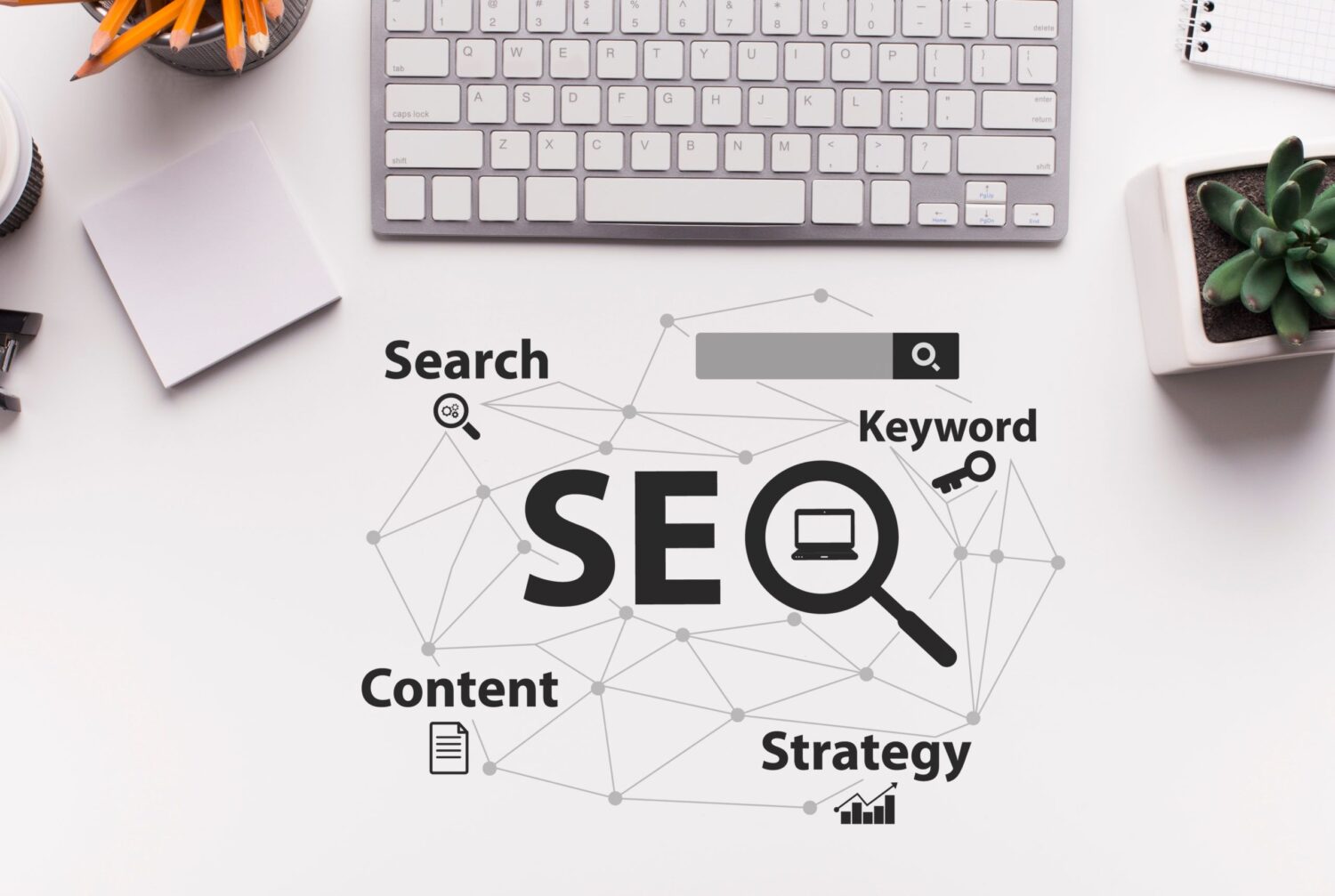
At its simplest, SEO stands for “search engine optimization”. Let’s break that down because those three words are doing a lot of work. It’s the process of making your website better for search engines like Google, Bing, and DuckDuckGo.
Think about the “Search Engine” part. This is your gateway to customers, with Google being the biggest gateway of all. Millions of people use it every single day to find answers, products, and services, making engine optimization a critical business activity.
Then you have the “Optimization” part. This just means you’re improving your online presence. You’re making your website easier for both search engines and humans to find and understand, which is the core of any good SEO market plan.
Why Should You Even Care About SEO?
This all might sound a bit technical, but the reasons you should care are very straightforward. When people need a solution to their problem, most of them go to a search engine. They don’t look in a phone book or check a billboard anymore.
Having your website show up on the first page gives you instant credibility and helps build brand awareness. People naturally trust the results that Google shows them. A study by BrightEdge found that organic search is the largest driver of website traffic for most sectors, beating paid search and social media.
This organic traffic from SEO is also consistent. Unlike paid ads where the traffic stops the moment you stop paying, good SEO builds on itself over time. It’s an investment that can drive traffic and pay off for months and even years to come as your domain authority grows.
What Does SEO Stand for in Marketing Activities?
SEO isn’t just one single action. It’s a combination of different strategies all working together. We can group these activities into three main categories, each playing a vital role in how search engines rank your site.
On-Page SEO: The Foundation of Your Website
On-page SEO includes all the things you do directly on your website’s pages. This is the part you have the most control over and is a fundamental piece of SEO marketing. It all starts with the words you use on your site and your overall content marketing plan.
Keywords are the terms people are typing into Google during a search query. Good keyword research means figuring out what those terms are for your business. You want to understand search intent, which is the “why” behind a search, so you can create valuable content that truly helps your audience.
You also need to look at things like your page titles and meta descriptions. These are the bits of text that show up in the search results. They need to be compelling enough to make someone want to click on your link instead of a competitor’s, directly impacting your ability to get your site ranked higher.
Off-Page SEO: Building Authority Beyond Your Site
Off-page SEO refers to actions taken outside of your own website to impact your rankings. This largely boils down to building your site’s authority and reputation. A major part of this is an ongoing link building effort.
A backlink is a link from another website to your site. You can think of these as votes of confidence. A well-known and respected website linking to your page tells Google that you are also a trustworthy source of information, signaling that you rank content of high quality.
You can read more about how this works in this great guide to backlinks. But not all links are created equal. A link from a local news site or an industry blog is much more valuable than one from a random, low-quality directory.
Other off-page signals include things like your business being mentioned on other websites or reviews on platforms like your Google Business Profile. This is especially important for local SEO. It’s all about building a strong online presence that extends beyond just your own domain name.
Technical SEO: Keeping Your Website’s Engine Healthy
This is the behind-the-scenes work that helps search engines find, crawl, and index your site without any problems. You might not see these changes on the front end of your website, but they are critical. It’s about making sure your site has a solid technical foundation, which is what SEO technical work is all about.
One of the biggest factors here is site speed, or load time. If your website takes too long to load, people will leave, and Google notices that. A faster website gives a better experience for your visitors, which search engines want to promote.
Another huge factor is mobile-friendliness. More searches happen on mobile devices than on desktops now. Your website absolutely must look good and work well on a smartphone. You can check your site with Google’s own Mobile-Friendly Test.
Technical optimization also involves things like having a clean site structure and submitting a sitemap to Google through the Google Search Console. A sitemap is a file that lists all the pages on your website, making it easier for search engines to discover your content. It’s like giving them a map of your house so they don’t miss any rooms.
| Element | Purpose | Impact on SEO |
|---|---|---|
| Site Speed (Load Time) | How quickly your pages load for a user. | Faster sites have lower bounce rates and are favored by Google. |
| Mobile-Friendliness | Ensuring your site works well on mobile devices. | Crucial for rankings since most searches are mobile. |
| XML Sitemap | A file that lists all your site’s important pages. | Helps search engines discover and index your content more efficiently. |
| Robots.txt | A file that tells search crawlers which pages to not access. | Prevents crawling of unimportant pages, focusing crawl budget on valuable content. |
| HTTPS | A secure protocol for data transfer on your site. | A confirmed, though small, ranking signal that builds user trust. |
A Simple Look at How Search Engines Work
To really get SEO, it helps to understand what Google is trying to do. Their goal is to organize the world’s information and make it universally accessible and useful. They do this through a three-step process where search engine algorithms play a central role.
First is crawling. Google uses small programs called web crawlers, spiders, or bots to travel the web, moving from link to link to discover new pages and content. How engines crawl your site can be influenced by your technical SEO health.
Next comes indexing. After crawling a page, Google tries to understand what the page is about. It analyzes the content, images, and video files on the page and stores this information in a huge database called the index.
The final step is ranking. When someone types a question into the search bar, Google searches its index for the most relevant and high-quality answers. It uses hundreds of factors, part of the Google algorithm, to decide which pages to show and in what order.
The Rise of AI in SEO
It’s impossible to discuss modern digital marketing without mentioning artificial intelligence. The growth of generative AI is changing the landscape of search and how an SEO specialist approaches their work. This shift in AI digital marketing is affecting everything from content creation to user experience.
Google’s implementation of AI Overviews, which provide AI-generated answers at the top of search results, is a prime example. This means getting a top-ranking spot is even more competitive. Your content needs to be exceptionally clear, well-structured, and authoritative to be considered by these AI systems.
On the other hand, artificial intelligence can also be a powerful tool for your SEO strategy. AI can help analyze vast amounts of data to find keyword opportunities, identify content gaps, and even help write drafts. Learning to leverage SEO with AI tools can make your marketing strategy more efficient and effective.
Black Hat vs. White Hat SEO: A Word of Caution
As you learn about SEO, you might come across different approaches. It’s important to know the difference between white hat and black hat SEO. Think of it as the right way and the wrong way to do things.
White hat SEO involves using strategies that focus on a human audience and what the user intent is. It follows search engine rules and guidelines. This approach means creating quality content, improving user experience, and building relationships to earn links naturally.
Black hat SEO, on the other hand, tries to use loopholes to rank web pages higher. This can include tactics like keyword stuffing, cloaking, and buying links. These methods are risky and can lead to your website being penalized or even removed from search results entirely after Google algorithm updates.
As stated in Google’s own Search Essentials, you should focus on making content for people, not just for search engines. Building a business is a long-term project, and frequent algorithm updates from Google often target these manipulative tactics. So, your marketing strategy should be long-term too, focusing on white hat practices to build a sustainable online presence.
Getting Started with SEO for Your Business
This might feel like a lot to take in at once, but you don’t have to do everything overnight. SEO is a marathon, not a sprint.
A great place to start is by thinking about your customers. What questions do they ask? What problems do they have that your business can solve? Use these questions to start creating helpful blog posts or pages on your website using a free keyword tool to guide you.
Another simple but powerful step is to claim and optimize your Google Business Profile. This is especially important if you are a local business doing local SEO. It’s a free listing that can help you show up in local search results and on Google Maps, helping you reach your target audience in your area.
Finally, just start. Don’t wait for your website to be perfect. Start by setting up Google Analytics and Google Search Console to monitor your website traffic and performance. Start creating content, building your online presence, and learning as you go.
Conclusion
Knowing what does SEO stand for in marketing is your entry point to a more powerful online strategy. It stands for Search Engine Optimization, a crucial component of any modern marketing plan. It’s about connecting with customers at the exact moment they are looking for what you offer.
This isn’t about secret tricks or complex code; it’s about being genuinely helpful to your audience through a balanced SEO strategy. By focusing on on-page SEO, off-page SEO, and technical SEO, you create a comprehensive approach. This process helps search engines rely on your site as a credible source.
The effort you put into SEO helps build a lasting asset for your business. It attracts organic traffic from visitors who are actively looking for your help. This ultimately builds trust and authority that paid ads simply can’t buy, making SEO a foundational element of long-term success.