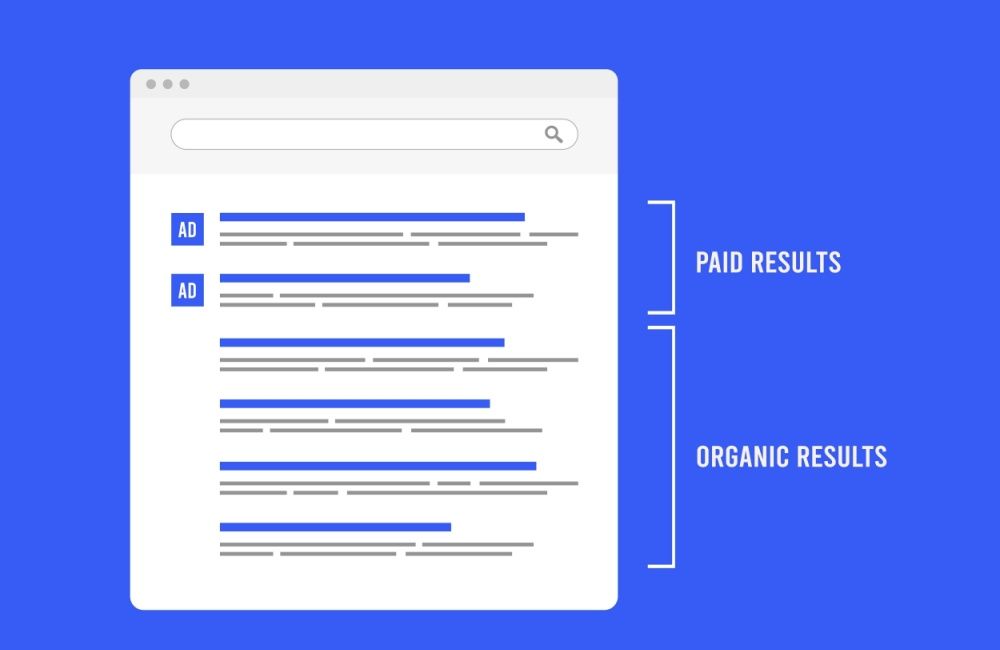
You have likely heard the term SERP used in marketing meetings or online discussions. But what does it actually mean for your business operations?
SERP stands for Search Engine Results Page. It is the page you see after typing a query into a search engine like Google or Bing.
Understanding what is SERP in search engine optimization is not just tech jargon. It serves as the foundation of how your potential customers find you online.
Every time someone performs a search query for a product, service, or answer, they see a SERP. That page decides whether they click on your site or go to a competitor.
Table of Contents:
- What Shows Up on a SERP
- Why What Is SERP in SEO Matters for Your Business
- How Google Decides What Appears on SERPs
- The Different Types of SERP Features
- Understanding SERP Analysis
- The Dominance of Google in Search
- Mobile vs Desktop SERPs
- The Rise of No-Click Searches
- Optimizing Your Content for SERP Features
- Targeting Search Intent
- Tracking Your SERP Performance
- The Future of SERPs
- Frequently Asked Questions About SERPs
- Conclusion
What Shows Up on a SERP
When you search for something, you do not just get a simple list of links anymore. Google now has dozens of SERP features that make each results page different.
The two main categories you will see are paid results and organic search results. Paid search listings come from advertisers who bid on keywords through Google Ads.
Research shows that the ads feature appears on 51.61% of page one SERPs. That means more than half of all searches show paid content at the top.
Organic results are different. They are the natural rankings that come from the algorithm evaluating your website’s content and authority.
But a modern Google SERP does not stop there. You will also see featured snippets, knowledge panels, image carousels, and video results scattered throughout the page.
About 12% of all Google SERPs include a featured snippet. These are the boxes that appear at the very top with direct answer information.
There are also People Also Ask boxes. Around 58% of Google’s results contain a People Also Ask section.
Answer boxes and direct answers show up in 18% of search results. These give users immediate information without needing to click through.
Why What Is SERP in SEO Matters for Your Business
Your position on the SERP directly impacts how much traffic your website receives. Higher rankings mean more visibility and more potential customers finding your blog post.
The top organic result typically gets a click-through rate of 39.8 percent. That percentage drops dramatically as you move down the page.
Featured snippets perform even better. When your content lands in that coveted spot, your click-through rate can jump to 42.9%.
But here is something concerning for those focusing on engine optimization. There are more no-click searches than ever before.
This means people are getting their answers directly from the SERP. They never actually visit a website.
Featured snippets are largely responsible for this trend. Google pulls content from websites and displays it right on the results page.
Understanding what is SERP in SEO helps you adapt your strategy. You need to create great content that ranks and captures attention in whatever format Google chooses to display it.
How Google Decides What Appears on SERPs
Google does not randomly throw results onto a page. The search engine uses a mix of factors to decide what shows up and in what order.
For paid results, paid Google algorithms determine placement. Ads are ranked based on Ad Rank.
Ad Rank is not just about who bids the most money. Google also takes ad relevancy into account.
For organic results, things get more complex. Google evaluates hundreds of ranking signals including content quality, link building efforts, site speed, and mobile friendliness.
The search engine tries to match search intent with the most relevant results. If someone searches for “burger restaurants,” Google knows they want local options nearby.
A 2017 study found that smartphone users are much more likely to buy from companies that customize information to their location. This emphasizes the need for accurate local packs strategies.
Mobile searches have become increasingly important. 88% of smartphone users conduct local searches on their devices.
The Different Types of SERP Features
SERP features are elements that go beyond the traditional blue links. They are designed to give users faster, more helpful answers.
Featured snippets are one of the most valuable features Google offers. They appear at the top of search results in a special box.
These snippets appear on about 19% of mobile SERPs. Getting your content featured here can dramatically increase your visibility.
Knowledge panels show up on the right side of desktop results. They display information about a specific topic or entities like companies, people, or places.
People Also Ask boxes contain related questions that expand when clicked. They are a goldmine for understanding what your audience wants to know.
Image and video carousels display visual content to the user. 88% of video results are pulled from YouTube.
Local packs show up for location-based searches. They include a map and listings for nearby businesses.
Sitelinks are additional links that appear below certain search results. They help users navigate directly to specific pages on your site.
Rich snippets enhance regular search results with extra information. When you use Schema markup, Google can display review stars, pricing, or event details.
Shopping ads show product listings with images and prices. While most are ads, they feature select organic results too.
Top Stories appear for news-related queries. Your site needs to be Google News approved to have news articles show up here.
You may also see a video pack for media-heavy queries. These are distinct sections dedicated entirely to video content.
Common SERP Feature Summary
Understanding the variety of results is key. Here is a breakdown of common types you might encounter:
| Feature Name | Description | Best For |
|---|---|---|
| Featured Snippet | Box at the top answering a query immediately. | Definitions, steps, quick answers. |
| Local Pack | Map with 3 local business listings. | Local businesses and services. |
| Knowledge Graph | Info panel on the right side of desktop. | Brand info, famous people, data. |
| Shopping Ads | Product images with pricing at the top. | E-commerce products. |
Understanding SERP Analysis
SERP analysis is the practice of studying search results to understand what is working. It helps you figure out how to outrank your competitors.
When you analyze a SERP, you look at several things. You check what type of content ranks at the top and what SERP features appear.
You also examine the intent behind the search. Are people looking for information, trying to buy something, or searching for a specific website?
The SERPs determine how your site appears on Google’s first page. Studying them gives you a roadmap for your content strategy.
SERP analysis reveals gaps in the market. Maybe your competitors are not targeting certain search terms or answering specific questions.
It also shows you what format works best. If all the top results are video tutorials, creating text-based blog posts might not be the best approach.
Understanding what is SERP in SEO through analysis helps you make smarter decisions. You can see exactly what Google rewards for any given search.
The Dominance of Google in Search
When we talk about SERPs, we usually refer to Google Search. The search giant has a market share of 89% as of October 2024.
That means nearly 9 out of 10 searches happen on Google. But other search engines like Bing and DuckDuckGo still serve millions of users.
Each search engine has its own way of displaying results. Bing’s SERP features differ slightly from Google’s.
However, the core concept remains the same. Understanding what is SERP in SEO applies across all platforms.
Google’s dominance means most SEO strategies focus on optimizing for their SERPs. The principles you learn there often work elsewhere too.
Mobile vs Desktop SERPs
SERPs look different depending on whether you are searching on a phone or computer. Google has adapted to how people actually use search.
Mobile-first index updates reflect that more than half of all traffic now comes from mobile devices. This impacts how snippets featured on screens are viewed.
Mobile SERPs are more compact. They prioritize quick answers and easy-to-tap buttons.
Featured snippets appear more frequently on mobile. They show up on about 19% of mobile SERPs.
Desktop SERPs have more space for additional features. You will often see knowledge panels, images, and related searches all on one screen.
Your SEO strategy needs to account for both. Mobile optimization is not optional anymore.
The Rise of No-Click Searches
Something troubling has been happening with SERPs. More searches are ending without anyone clicking through to a website.
Nearly 58% of Google searches in the U.S. end without a click. That is more than half of all searches.
SERP features are the main reason. When Google displays the answer specific questions need right on the results page, users do not need to go further.
This creates a challenge for website owners. You can rank well but still not get traffic if Google answers the question directly.
The solution is not to avoid these features. It is to adapt your strategy to drive traffic in other ways.
Focus on providing comprehensive information that goes beyond simple answers. Create content that makes people want to learn more.
Target keywords where clicking through provides real value. Transactional searches and detailed how-to guides still drive traffic.
Optimizing Your Content for SERP Features
Getting your content into SERP features requires specific optimization techniques. It is not just about ranking anymore.
For featured snippets, structure your content to answer questions clearly. Use headers that match common search queries.
Create concise answers in 40-60 words right after your question headers. Google often pulls these as snippets included in the top results.
Use lists and tables when appropriate. These formats are more likely to get featured.
For People Also Ask boxes, research related questions people search for. Create content that addresses multiple related queries.
Schema markup helps you get rich snippets. Add structured data to your pages so Google can display enhanced results.
For video results, create YouTube content optimized for search. Include detailed descriptions and transcripts to appear in video carousels.
Local businesses should claim and optimize their Google Business Profile. This helps you appear in local packs local customers trust.
Targeting Search Intent
Success in modern SEO requires understanding the user’s goal. This concept is known as search intent.
There are generally four types of intent: informational, navigational, commercial, and transactional. Each requires a different type of content.
Informational searches are when a user wants to learn something. Featured snippets include content that addresses these queries best.
Navigational intent means the user is looking for a specific website. They might type “Facebook login” or a specific brand name.
Commercial intent exists when a user is investigating products but not yet ready to buy. They might look for reviews or “best of” lists.
Transactional intent is when the user is ready to purchase. These searches often trigger shopping ads and product pages.
By aligning your content with the right intent, you increase your chances of ranking. Google rewards pages that solve the user’s problem.
Tracking Your SERP Performance
Understanding what is SERP in SEO means nothing if you are not tracking your performance. You need to know where you stand.
Use tools like Search Console to monitor your rankings. See which queries bring you traffic and which SERP features you appear in.
Track your click-through rates. Low CTR despite good rankings means your title tag and meta description need work.
Monitor your competitors’ positions. See what SERP features they are capturing that you are not.
Pay attention to SERP changes. Google constantly tests new features and layouts.
Set up regular SERP analysis for your target keywords. The landscape shifts quickly.
Look at the search volume for your top terms. High volume combined with high rankings usually equals traffic.
The Future of SERPs
Search results pages keep changing. Google introduces new features and updates existing ones regularly.
AI Overviews have started appearing for many searches. These provide AI-generated summaries at the top of results.
The introduction of AI overviews changes how users interact with traditional results. It pushes organic links further down the page.
Visual search is becoming more prominent via Google Images and Lens. Image and video results are expanding across more query types.
Voice search is changing how people interact with SERPs. Results need to work for spoken queries too.
Personalization means two people searching the same thing might see different results. Location, search history, and preferences all play a role.
Understanding what is SERP in SEO means staying current with these changes. The basics remain consistent but the details shift constantly.
Frequently Asked Questions About SERPs
Here are answers to common questions about Google SERPs and how they function.
What does a SERP look like?
A SERP typically contains a mix of ads, organic listings, and special features. Depending on the Google keyword used, you might see maps, images, or direct answers.
How do I get my site into a Featured Snippet?
To capture featured snippets, featured content must be concise and factual. Structure your answer in a clear paragraph or list format immediately after a header.
What are local packs in SEO?
Packs, local packs specifically, are the map-based results for local queries. They appear when users search for businesses nearby.
Why do search results vary from person to person?
From SERP to SERP, results change based on personalization. Google considers your location and past history to serve the most relevant results.
How does the knowledge graph work?
Knowledge graphs aggregate data from various sources to provide a quick snapshot of a topic. This data populates the panel seen on the right side of desktop searches.
Conclusion
What is SERP in SEO? It is the battleground where your business competes for attention every single day.
The Search Engine Result Page determines whether potential customers find you or your competitors. Every element on that page matters.
From paid ads to organic results to featured snippets, each component plays a role in your visibility. Understanding how they work together gives you a competitive edge.
SERP analysis helps you make smarter content decisions. It shows you what works and what does not.
The landscape keeps changing. New features appear and user behavior evolves.
But the core principle stays the same. Create valuable content that matches what people are searching for and present it in a way that search engines can understand.
Your success in the industry depends on mastering what is SERP in SEO. You must adapt your strategy to win that valuable real estate at the top of search results.